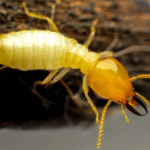
Termites: tiny homewreckers
Mud tubes, discarded wings, and hollow-sounding wood are all reasons to take a closer look.
Read the termite guidePractical field notes on the pests southeastern Massachusetts homeowners run into most often.
Pests 101
Signs of a pest problem can look similar from one species to another. Use these quick guides to get oriented, then call before the problem grows.
Mud tubes, discarded wings, and hollow-sounding wood are all reasons to take a closer look.
Read the termite guide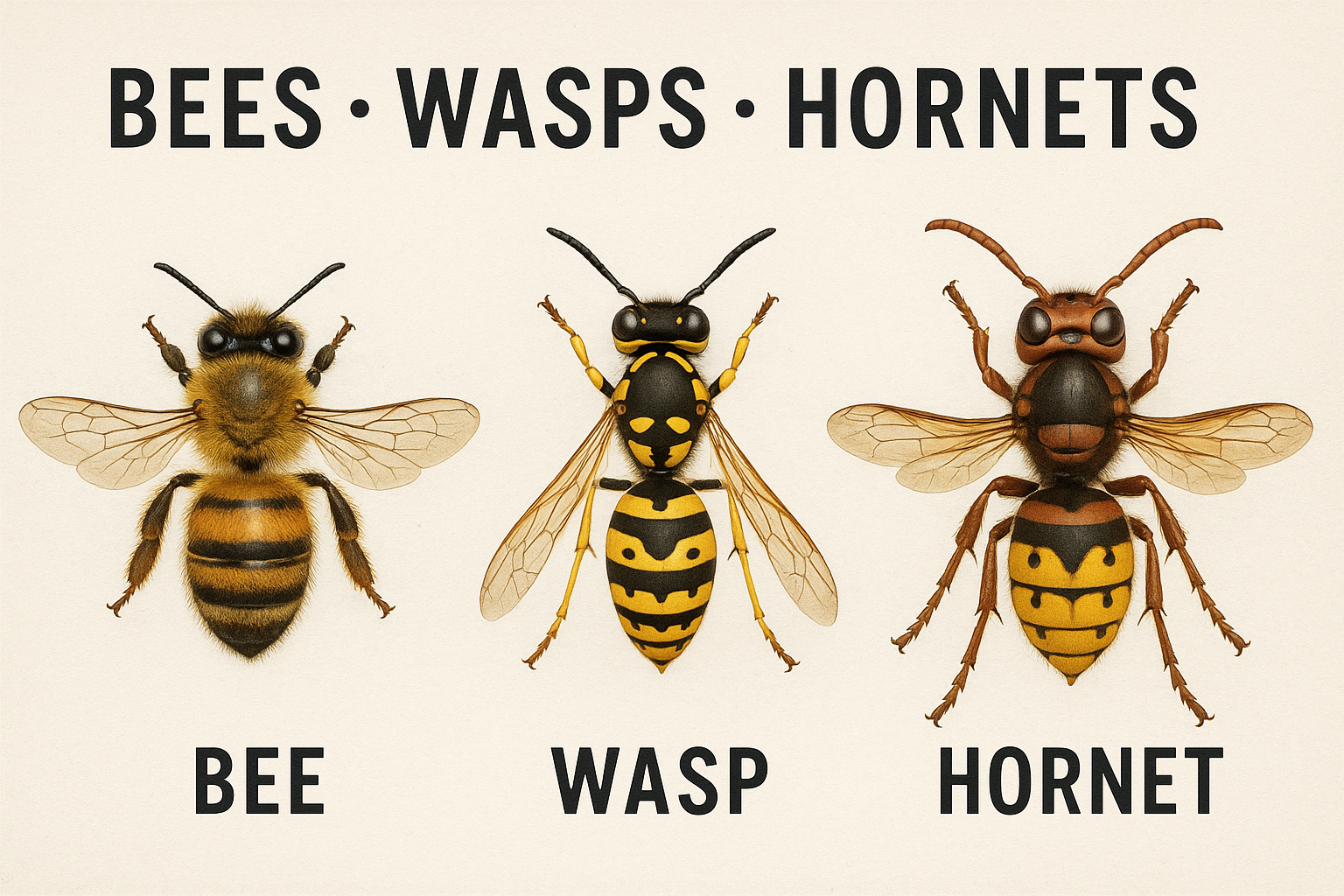
Why a busy nest by the door, deck, or roofline is a job to approach carefully.
Read the stinging insect guide
Droppings, gnaw marks, and nighttime scratching usually mean you are not alone.
Read the rodent guideBeneficial pollinators can still become a serious building problem when a colony moves in.
Read the honeybee guideScratching overhead does not always mean bats, but the right identification matters.
Read the bat guideThe visible trail is often only a small part of what is happening in or around the structure.
Read the ant guideField notes
Open a topic for common warning signs and the safest next step.
Termites can feed inside wood long before obvious damage appears. Watch for pencil-width mud tubes on foundations, piles of shed wings near windows, blistering paint, or wood that sounds hollow when tapped.
Avoid disturbing suspected mud tubes or spraying the visible area. A proper inspection helps determine whether activity is current and how far it extends.
Repeated flight to one opening, a paper nest under an eave, or heavy activity around a ground hole can point to a nearby colony. Nests near entries and play areas deserve extra caution.
Keep people and pets away, do not seal an active opening, and skip the ladder-and-spray approach. Correct identification changes how the nest should be handled.
Fresh droppings, shredded nesting material, gnaw marks, greasy rub marks, and movement after dark are common clues. Mice can use openings far smaller than most homeowners expect.
Store food securely and note where signs appear, but do not rely on bait alone. Finding and addressing entry points is a key part of lasting control.
A few bees on flowers are normal. A steady stream entering a wall, soffit, chimney, or roof gap may indicate a colony inside the structure.
Do not plug the entrance. Trapping bees inside can push them deeper into the building and leave comb and honey behind. Call for identification and options.
Sounds in an attic can come from bats, rodents, birds, or even branches against the roof. Staining near roof gaps and droppings beneath a roost are useful clues, but identification should come first.
Do not handle a bat bare-handed or seal an active roost without checking timing and occupancy. If a bat was found in a sleeping area, contact local public-health guidance promptly.
Ants often follow moisture, food, or hidden structural conditions. Large ants, winged ants indoors, and recurring trails can point to a nest close to or inside the home.
Clean the trail without scattering repellent spray everywhere, note where ants emerge, and check for leaks or damp wood. Identification makes treatment much more precise.
Still not sure what it is?
Tell Billy what you have been seeing, hearing, or finding so you can stop guessing and start addressing the problem.